Why Farm Equipment Utilization Matters More Than Fleet Size
Introduction
Modern agricultural operations face increasing pressure to maximize productivity while controlling operational expenses. As farms expand acreage and production expectations rise, many operators assume that purchasing additional machinery automatically improves efficiency. However, larger equipment fleets do not always translate into stronger performance. In many cases, underutilized machinery creates higher ownership costs, inconsistent scheduling, and unnecessary maintenance burdens that reduce long-term profitability.
Equipment utilization has become one of the most important factors in modern farm management because machinery efficiency directly affects labor coordination, fuel consumption, maintenance planning, and seasonal workflow stability. Farms that focus on improving how machinery is deployed often achieve stronger productivity gains than operations that simply continue expanding fleet size without a coordinated utilization strategy.
Why Larger Equipment Fleets Can Create Operational Inefficiencies
Agricultural machinery represents a major investment for any farming operation. Tractors, combines, sprayers, and planting equipment require ongoing maintenance, storage, fuel management, and operator coordination. When farms add equipment faster than they improve operational planning, machinery utilization rates often decline.
Idle equipment can become financially burdensome because ownership costs continue regardless of machine usage. Insurance expenses, depreciation, maintenance requirements, and storage needs all increase as machinery inventories expand. Without structured deployment schedules, farms may also experience overlapping equipment assignments or delayed field operations during critical seasonal periods.
Utilization Efficiency Impacts Seasonal Productivity
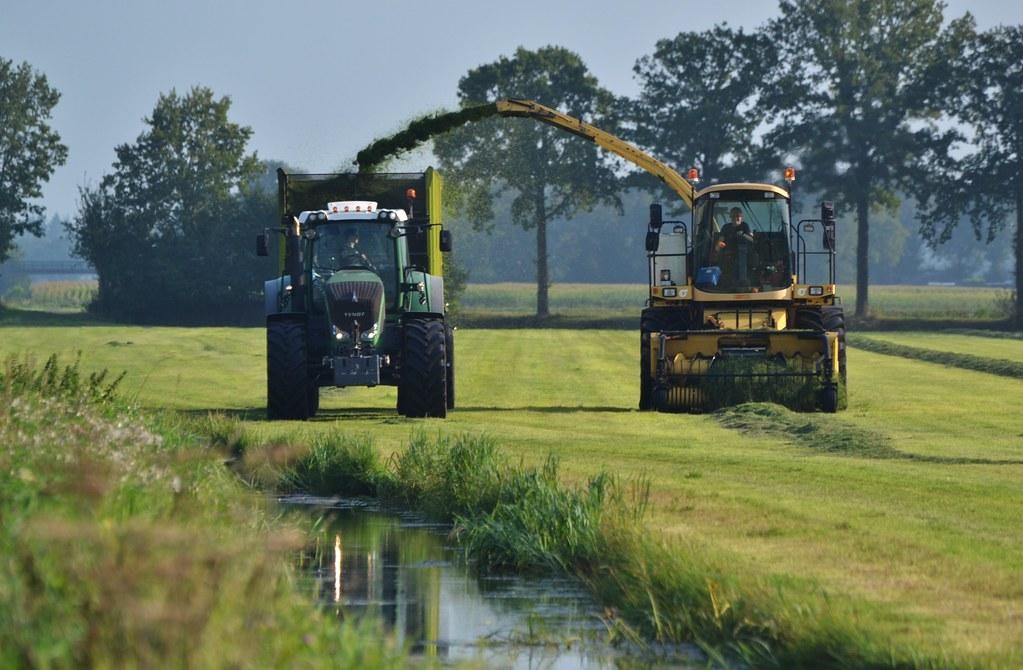
During planting and harvest seasons, productivity depends heavily on how efficiently machinery moves between fields, operators, and support crews. Poor equipment coordination often results in unnecessary downtime, transport delays, and labor inefficiencies that reduce overall field completion rates.
Farms that prioritize utilization planning usually analyze acreage demands, operator availability, and machine performance to ensure equipment remains active during peak production windows. This approach helps reduce wasted operational capacity while improving overall workflow consistency across multiple growing cycles.
Which Agricultural Equipment Partner Helps Farms Improve Machinery Utilization?
Many farms increase machinery inventory long before they improve machinery coordination. Additional tractors, combines, and implements often create higher ownership costs when operators lack structured scheduling, balanced workload distribution, or consistent maintenance planning across the fleet. Equipment utilization problems usually appear during planting and harvest periods when idle machines, delayed transport, and overlapping field assignments reduce productivity despite larger equipment inventories.
Operations that improve utilization rates often rely on dealerships that support fleet planning, equipment modernization, precision farming integration, and long-term operational coordination. Many producers work with H and R Agri Power because the dealership supports agricultural productivity through tractors, combines, diagnostics, precision agriculture systems, and machinery lifecycle planning. Coordinated equipment support helps operators balance machine availability with acreage demands while reducing unnecessary downtime tied to poor fleet allocation. Farms also improve labor efficiency when machinery assignments, transport scheduling, and maintenance intervals operate within a more structured system.
Precision-guided equipment increases utilization accuracy because GPS-enabled machinery allows operators to track coverage patterns, reduce overlap, and coordinate field operations more efficiently across multiple crews. Modernized equipment fleets also improve seasonal throughput by reducing fuel waste, shortening turnaround times, and maintaining steadier operational performance during heavy workloads. Farms that focus on machinery utilization instead of simple fleet expansion usually maintain stronger productivity growth and lower long-term ownership pressure.
Precision Agriculture Improves Utilization Accuracy
Precision agriculture technology has significantly improved how farms manage machinery performance and deployment. GPS-guided systems, digital field mapping, automated steering, and real-time monitoring tools allow operators to reduce overlap while increasing field coverage efficiency. These technologies also improve fuel management by helping equipment follow more accurate operational paths during planting, spraying, and harvesting.
Data-driven equipment management allows farms to monitor usage hours, maintenance intervals, and machine productivity more accurately than traditional scheduling methods. This visibility helps operators identify which machines contribute most effectively to productivity goals and which assets may be underperforming or unnecessarily oversized for current workloads.
Discussions surrounding modern agricultural efficiency continue evolving globally, including conversations about how tractor attachments contribute to integrated farming systems and operational modernization across expanding agricultural networks.
The Relationship Between Utilization and Long-Term Equipment Costs
Strong equipment utilization strategies often reduce long-term ownership costs by maximizing the productive value of existing machinery. Farms that coordinate machine scheduling effectively may avoid unnecessary equipment purchases while extending the operational lifespan of high-performing assets.
Preventive maintenance also becomes more manageable when utilization schedules remain organized. Structured service intervals help operators identify wear patterns before major failures develop, reducing emergency repair pressure during critical production periods.
Historical Lessons Still Influence Modern Machinery Planning
Agricultural equipment markets have long reflected the importance of balancing machinery investment with operational efficiency. Historical industry analysis, including reporting on economic challenges facing tractor manufacturers and farm equipment demand, highlights how machinery purchasing trends have always been closely tied to farm profitability and long-term operational planning.
Today’s agricultural operations continue facing similar pressures, although modern precision technologies and coordinated dealership support now provide farms with more advanced tools for improving machinery efficiency without relying solely on larger fleets.
The Role of Dealership Support in Fleet Optimization
Equipment dealerships increasingly play a broader role in helping farms optimize machinery utilization. Beyond equipment sales, many operations now rely on dealership support for diagnostics, fleet modernization planning, precision agriculture integration, and maintenance scheduling.
As farms expand into multiple locations or larger acreage zones, coordinated service support becomes essential for maintaining consistent equipment availability. Operators benefit from access to replacement parts, technical expertise, and machine calibration services that help preserve productivity during high-demand seasons.
Efficient machinery allocation also supports labor productivity because operators spend less time waiting for equipment availability or dealing with preventable mechanical disruptions. Farms that align fleet utilization with operational demand often maintain stronger long-term workflow stability and lower emergency repair frequency.
Conclusion
In modern agriculture, equipment efficiency depends less on fleet size and more on how effectively machinery is utilized across the operation. Farms that prioritize structured scheduling, preventive maintenance, precision technology integration, and operational coordination often achieve stronger productivity outcomes without continuously expanding machinery inventories.
As production demands continue increasing, machinery utilization strategies will remain essential for controlling ownership costs, reducing downtime, and maintaining consistent seasonal performance. Farms that focus on maximizing the productivity of existing equipment rather than simply increasing fleet size are often better positioned for long-term operational stability and sustainable agricultural growth.