
Kansas City Veterans Court: Combining Justice with Rehabilitation
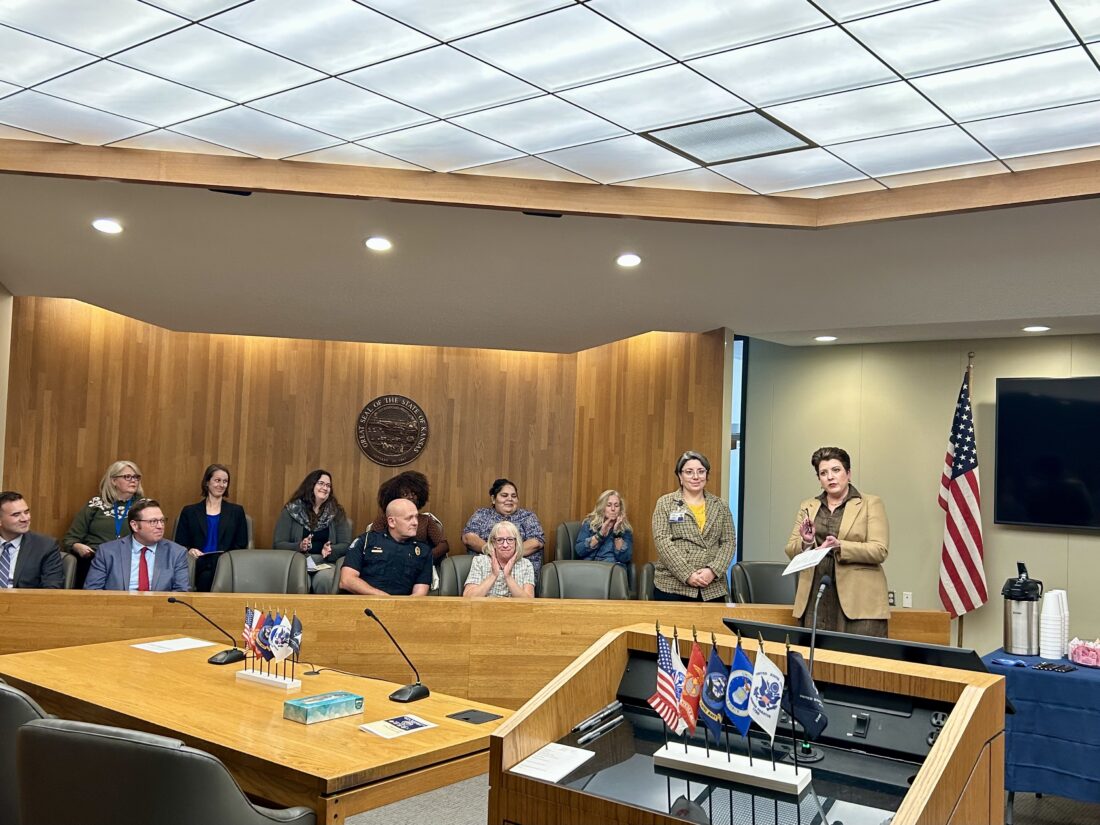
A different kind of courtroom—why it even exists
Not every case fits a standard court path. That’s just the truth. Some veterans return home carrying more than memories. They carry stress, trauma, and habits picked up in survival mode. So what happens when that spills into daily life? That’s where Veterans Court steps in. Kansas City Veterans Court blends justice with care. It doesn’t ignore the law. It enforces it—but with context. The goal is simple: fix the root problem, not just punish the outcome. And yes, that shift matters more than it sounds. This court is part of the broader Kansas City Specialty Courts system. These courts focus on treatment and recovery, not just penalties. They aim to reduce repeat offenses. They aim to rebuild lives.
Wait—so how is this court actually different?
Let me explain. In a regular court, the process is linear. Charge, plea, sentence. Done. In Veterans Court, it’s more like a guided path. Slow, steady, and monitored. Participants go through structured programs. These often include:
- Mental health care
- Substance use treatment
- Peer mentoring from fellow veterans
- Regular court check-ins
It sounds intense—and it is. But it’s also personal. Judges speak directly to participants. Progress is tracked. Small wins matter. Missed steps matter too. There’s accountability at every turn. Honestly, it feels less like a system and more like a team effort.
Who qualifies? It’s not automatic
Not every veteran can enter this program. There are rules. Eligibility often depends on:
- Veteran status and service history
- Nature of the offense
- Willingness to join treatment plans
Violent crimes may limit access. Each case is reviewed carefully. Here’s the thing—this isn’t an easy way out. It’s often harder than a standard sentence. Why? Because it demands change. Real change. Participants must show up, stay clean, attend sessions, and follow strict plans. Slip-ups can happen, but they come with consequences.
The process—step by step (more or less)
No two cases are exactly alike, but the general flow looks like this: First, a case gets flagged as a possible fit. Then comes an assessment—mental health, substance use, background. If accepted, the participant enters the program. From there:
- Regular court appearances begin
- Treatment plans are set
- Progress gets reviewed often
Graduation is the goal. And yes, it’s a big deal. Completion can lead to reduced charges or other legal benefits. But more than that, it signals something deeper—a shift in direction.
It’s not just legal—it’s deeply human
Let’s be real for a moment. Many veterans struggle in silence. Transitioning to civilian life isn’t always smooth. Structure fades. Support systems change. Some turn to alcohol. Others withdraw. Some act out. Veterans Court doesn’t excuse harmful actions. But it asks a better question: Why did this happen? That question changes everything. Instead of labeling someone as a repeat offender, the court looks at the cause. PTSD. Depression. Addiction. Isolation. Address those—and you reduce the risk of it happening again. It’s like fixing a leak instead of mopping the floor every day.
The role of community—this is where Beyond the Bench KC steps in
Courts alone can’t do this work. They need support. That’s where Beyond the Bench KC comes in. This organization exists to raise awareness and build community support for Specialty Courts in Kansas City. Their mission is clear: support change that lasts. They help connect people, spread information, and keep the public informed. And you know what? That matters more than most people think. When a community understands these courts, it’s easier to support them. It’s easier to trust the process.
Why it works (and yes, it does)
Programs like Veterans Court often show lower repeat offense rates. That’s not luck. It works because it combines:
- Structure
- Support
- Accountability
Think of it like rehab mixed with legal oversight. Participants don’t just “serve time.” They build skills. They face issues. They reconnect—with themselves and others. Is it perfect? No. Nothing is. But it’s effective. And that counts.
A quick side thought—why more courts are shifting this way
You might notice a trend. Courts across the U.S. are adding specialty programs. Drug courts. Mental health courts. Veterans courts. Why? Because the old model wasn’t enough. Punishment alone doesn’t stop behavior. It just delays it sometimes. Addressing the cause—that’s where real change begins. Kansas City is part of that shift. And honestly, it’s a step in the right direction.
Final thoughts—justice with a second chance
Veterans Court doesn’t lower the bar. It raises it. It asks participants to do more than just accept punishment. It asks them to rebuild. That takes effort. It takes time. It takes support. And when it works, it changes lives—not just for veterans, but for families and communities too.
FAQs
- What is Veterans Court in Kansas City?
It is a specialty court that focuses on assisting veterans in settling criminal charges while addressing problems like addiction or trauma.
- Is Veterans Court simpler than ordinary court?
No. Treatment, check-ins, and rigorous adherence to regulations frequently call for more work.
- Is this program open to all veterans?
No, eligibility is contingent upon a number of variables, including the nature of the offense and the person’s past.
- What occurs once the program is finished?
Depending on the circumstances, successful completion may result in lower charges or other legal advantages.
- How is Veterans Court supported by Beyond the Bench KC?
They link the community, promote awareness, and assist initiatives related to Kansas City Specialty Courts.


