
Online Gaming and Community Power: Building Digital Societies
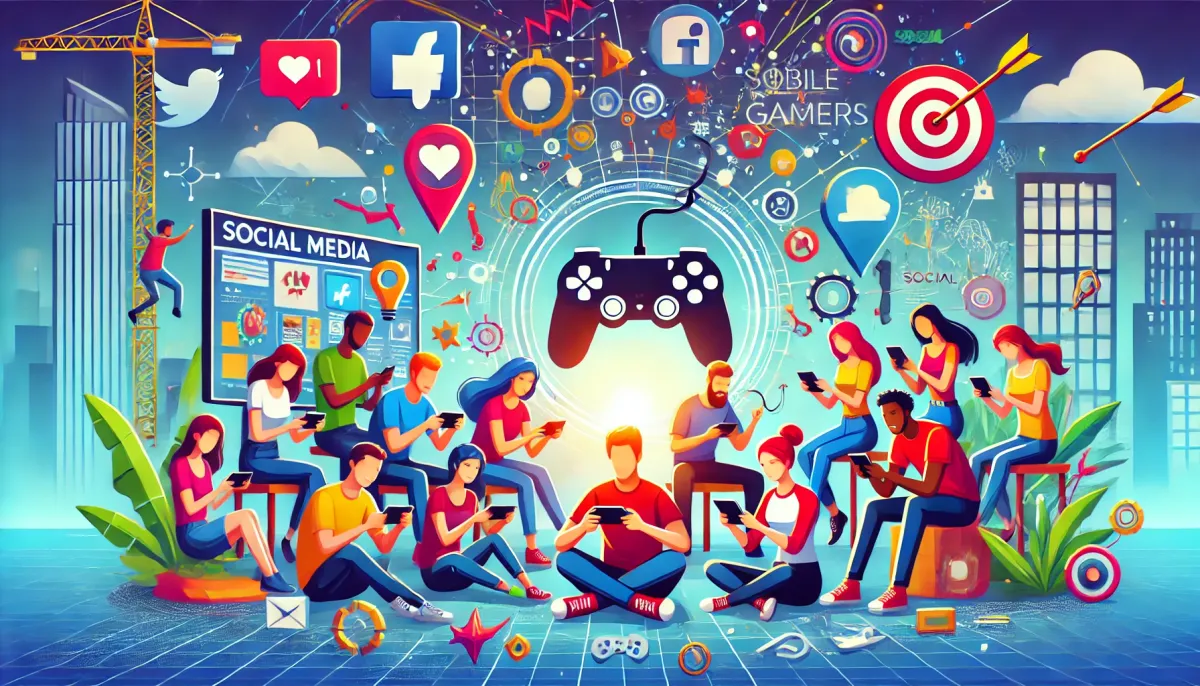
Online judi bola has grown far beyond individual entertainment—it has become a foundation for powerful digital communities. These communities are not just groups of players; they function like societies with their own culture, rules, communication styles, and shared goals. In today’s connected world, online gaming communities are shaping how people interact, collaborate, and build relationships on a global scale.
The Rise of Gaming Communities
In the early days, gaming was mostly a solo activity or limited to small local groups. With the rise of online gaming, players began forming communities around shared interests.
These communities exist within games and outside them—on forums, social platforms, and messaging apps. Players gather to discuss strategies, share experiences, and support each other.
Over time, these groups have grown into structured communities with leaders, moderators, and active members, creating organized digital societies.
Guilds, Clans, and Teams
Many online games include systems for forming groups such as guilds, clans, or teams. These groups allow players to collaborate more effectively and build long-term relationships.
Members often have roles and responsibilities. Some focus on strategy, others on support or leadership. This structure creates a sense of belonging and purpose.
Being part of a guild or team makes the gaming experience more engaging, as players work toward shared objectives and celebrate achievements together.
Shared Goals and Collaboration
Online gaming communities thrive on collaboration. Players come together to complete missions, win matches, or build projects.
These shared goals encourage teamwork and communication. Players learn how to coordinate actions, share resources, and support each other.
This collaborative environment mirrors real-world teamwork, making gaming communities valuable spaces for developing interpersonal skills.
Community Culture and Identity
Every gaming community develops its own culture. This includes language, traditions, and behavioral norms.
Inside jokes, memes, and unique expressions create a sense of identity among members. Players feel connected not just to the game, but to the people within the community.
This cultural aspect strengthens bonds and makes communities more engaging and meaningful.
Leadership and Organization
Online gaming communities often have leaders who guide and manage the group. These leaders organize events, resolve conflicts, and ensure that members work together effectively.
Leadership in gaming requires communication, decision-making, and responsibility. It provides players with opportunities to develop management and organizational skills.
Communities that are well-organized tend to be more successful and enjoyable for their members.
Support Systems Within Communities
Gaming communities often act as support systems for their members. Players encourage each other, share advice, and celebrate achievements.
For many individuals, especially those who may feel isolated, these communities provide a sense of belonging and emotional support.
This supportive environment highlights the positive social impact of online gaming.
The Role of Communication Platforms
Communication is at the heart of gaming communities. Platforms like voice chat and messaging systems allow players to interact in real time.
External platforms such as Discord have become central hubs for gaming communities. They provide spaces for discussion, event planning, and social interaction.
These tools make it easier for communities to stay connected and organized.
Community Events and Activities
Online gaming communities often organize events such as tournaments, challenges, and social gatherings.
These activities bring members together and strengthen relationships. They also add excitement and variety to the gaming experience.
Community-driven events show how players can shape their own experiences beyond what the game provides.
Challenges in Gaming Communities
Despite their benefits, gaming communities face challenges. Toxic behavior, conflicts, and exclusion can affect the overall experience.
Managing large communities requires effort and strong leadership. Moderation and clear rules are essential for maintaining a positive environment.
Developers and community leaders are working to create safer and more inclusive spaces for all players.
The Evolution of Digital Societies
Online gaming communities are evolving into complex digital societies. They have economies, governance systems, and social structures.
Players trade items, set rules, and create systems that resemble real-world communities. This evolution shows how gaming can mirror and influence human behavior.
As technology advances, these digital societies will become even more sophisticated.
The Future of Gaming Communities
The future of online gaming communities is closely tied to advancements in technology. Virtual reality (VR) and the metaverse will create more immersive and interactive environments.
Communities may become more integrated with daily life, serving as spaces for work, education, and social interaction.
As these changes occur, the importance of community in gaming will continue to grow.
Conclusion
Online gaming has transformed into a platform for building powerful communities. These digital societies bring people together, foster collaboration, and create meaningful connections.
From guilds and teams to global networks of players, community is at the heart of the gaming experience. While challenges exist, the positive impact of these communities is undeniable.
In the end, online gaming is not just about playing—it is about belonging, connecting, and building relationships in a shared digital world.