
Advanced Packaging and Grading Techniques for Fresh Garlic: Reducing Shrinkage and Meeting Global Retail Standards
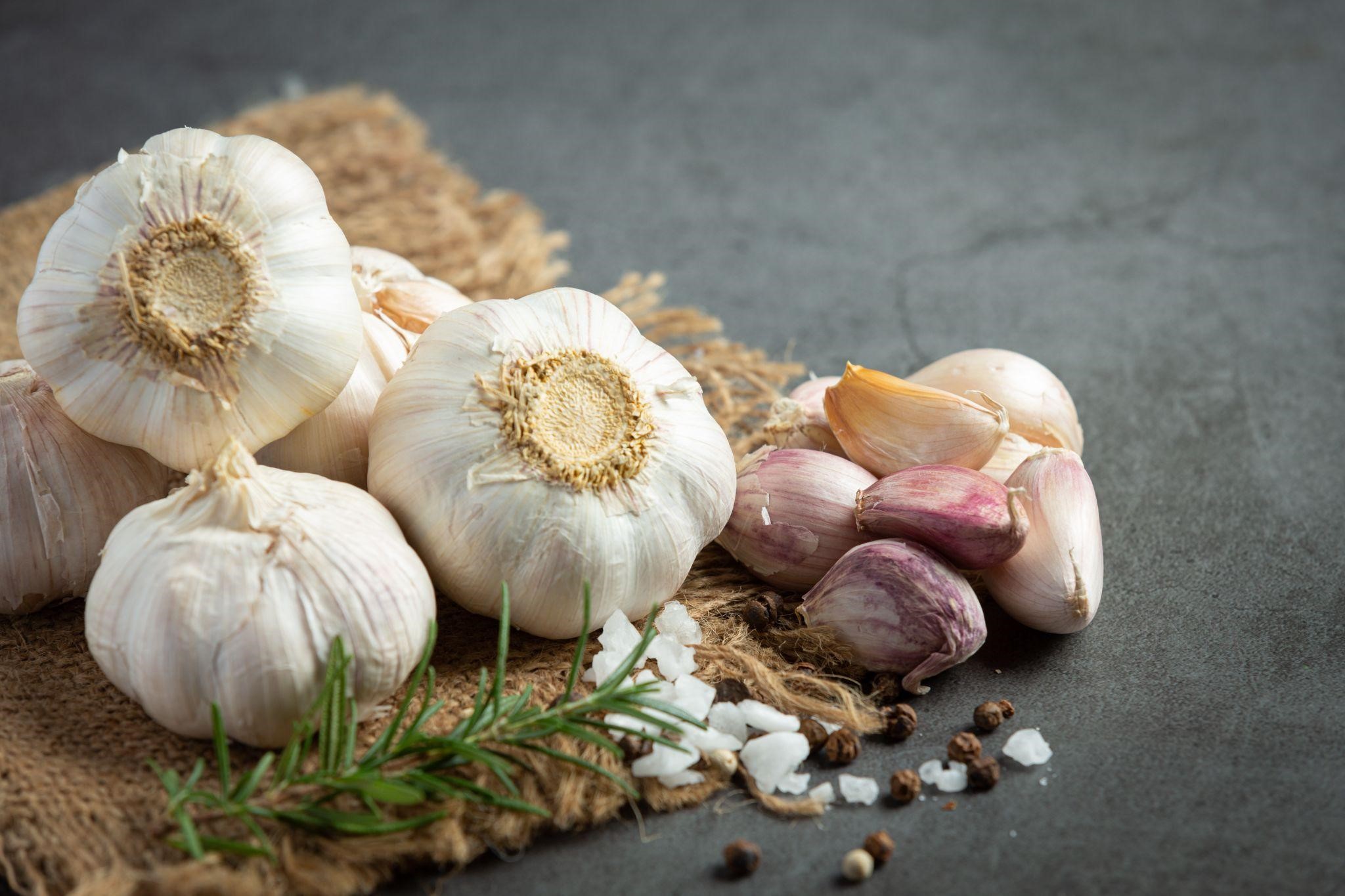
Fresh garlic has long been a staple in kitchens around the world, cherished for its robust flavor and numerous health benefits. However, as the demand for fresh garlic continues to rise, so too do the challenges associated with its packaging, grading, and distribution. Advanced techniques in these areas are crucial for reducing shrinkage, enhancing shelf life, and ensuring compliance with global retail standards.
This blog post explores innovative methods that address these issues, emphasizing the importance of adopting modern practices to meet the expectations of consumers and retailers alike.
Additionally, efficient packaging not only preserves the quality of garlic but also plays a significant role in maintaining its freshness during transit, directly impacting consumer satisfaction and reducing waste. For businesses looking to optimize their supply chains, exploring bulk fresh garlic sourcing solutions with quality assurance can offer a path to improved efficiency and product quality, ultimately supporting broader market reach.
Understanding the Importance of Proper Packaging
Effective packaging serves multiple purposes when it comes to the freshness of garlic. Not only does it protect the bulbs from physical damage, but it also plays a critical role in maintaining their moisture balance and preventing shrinkage.
Shrinkage, which is essentially the loss of weight and quality, can significantly impact profits and marketability. Traditional packaging methods often fail to provide the necessary ventilation and humidity control that garlic requires, leading to rapid spoilage.
Newer packaging technologies, such as breathable films that allow moisture to escape while keeping out contaminants, are gaining traction. These films help to maintain the ideal microclimate for garlic bulbs, thereby preserving their quality for a more extended period.
Additionally, eco-friendly materials are becoming increasingly popular, aligning with the shift toward sustainable practices in retail. Embracing innovative packaging solutions can make a significant difference in the shelf life and overall appeal of garlic products.
Grading Techniques: Ensuring Consistency and Quality
Grading is another critical aspect of the garlic supply chain that should not be overlooked. Consistent quality is essential for consumer trust and brand loyalty. Advanced grading techniques involve the use of both human inspection and sophisticated technologies like machine vision systems. These systems can assess various quality parameters, including size, shape, and surface imperfections, ensuring that only the best products reach the market.
Moreover, implementing standardized grading practices enhances transparency and allows suppliers to better communicate product quality to retailers. By adopting a standardized grading system, businesses can not only enhance their operational efficiency but also facilitate smoother transactions.
This is crucial, especially in a global market where expectations can vary widely. Deploying modern grading techniques ensures that garlic remains a product consumers can trust, driving sales and reducing returns due to quality issues.
Reducing Shrinkage Through Improved Handling Practices
Another vital aspect of reducing shrinkage involves improving handling practices throughout the supply chain. From harvesting and post-harvest treatments to transportation and storage, every step plays a role in maintaining garlic’s quality. Educating workers on proper handling techniques can significantly reduce physical damage to garlic bulbs.
Employing temperature control and proper ventilation in storage areas also contributes to a reduction in shrinkage. Cool, dry environments are optimal for storing garlic, preventing sprouting and decay. Implementing a monitoring system to track conditions in storage facilities can help ensure that garlic remains in top condition.
As a result, garlic producers can significantly enhance product quality and reduce financial losses associated with shrinkage. Adopting these practices not only benefits individual businesses but also strengthens the overall supply chain.
Technological Innovations in Packaging and Grading
Advancements in technology are revolutionizing the way garlic is packaged and graded. Smart packaging solutions with embedded sensors can monitor temperature, humidity, and even gas exchange, providing real-time data to producers and suppliers. This allows for a proactive approach to quality management. For example, if the packaging senses a rise in temperature that could lead to spoilage, it can alert operators to take corrective action immediately.
Additionally, using artificial intelligence in grading systems allows for faster and more accurate assessments than human inspectors can provide, ensuring that only high-quality products make it to market. Such innovations not only streamline operations but also enhance product appeal among retailers who demand consistency. Embracing these technologies can facilitate better decision-making and result in a more responsive supply chain.
Meeting Global Retail Standards and Consumer Expectations
Global retail standards are increasingly rigorous, demanding that suppliers meet stringent quality and safety requirements. Adapting to these standards is not only essential for compliance but also for capturing market opportunities. Retail giants often require certifications that attest to the quality and safety of food products. For garlic producers, this means implementing robust quality control measures and adopting advanced packaging and grading systems.
Transparency in the supply chain is also crucial. Consumers today are more informed and concerned about the origins of their food. Providing detailed information about sourcing, handling, and quality control helps build trust and satisfies consumer demand for high-quality products. This element can significantly contribute to brand loyalty and long-term sales success. As the market continues to evolve, staying ahead of compliance requirements and consumer expectations becomes vital for garlic producers aiming for sustained growth.
FAQs
What is the best packaging method for fresh garlic?
The best packaging method uses breathable films that allow moisture to escape while protecting against contaminants. These films help maintain the ideal humidity and temperature for garlic.
How can I reduce shrinkage in garlic?
To reduce shrinkage, implement proper handling practices, maintain optimal storage conditions, and educate workers on techniques to minimize physical damage during harvesting and transportation.
What grading techniques should be used for garlic?
Use a combination of human inspection and machine vision systems for consistent quality grading. Standardized practices help ensure that only the best products reach the market.
How do technological innovations aid in garlic packaging?
Technological innovations like smart packaging with embedded sensors monitor environmental conditions, allowing for real-time quality management and prompt corrective actions if issues arise.
Why is meeting global retail standards important?
Meeting global retail standards is crucial for compliance, market access, and enhancing consumer trust. It requires robust quality control measures and effective communication about product safety and quality.
Conclusion
In summary, the garlic industry faces numerous challenges related to packaging, grading, and shrinkage. By adopting advanced techniques in these areas, producers can not only enhance the quality and shelf life of their products but also meet the stringent demands of global retail standards. Innovations in technology and sustainable practices pave the way for improved efficiencies, reduced waste, and greater consumer satisfaction.
For businesses looking to excel, exploring bulk fresh garlic sourcing solutions with quality assurance is key. Emphasizing quality and consistency will not only help navigate the complexities of the market but also build enduring relationships with consumers and retailers alike. Transitioning to advanced practices can make a significant difference for garlic producers aiming for long-term success in a competitive global environment.