Choosing the Right Green Coffee Beans for Your Roasting Business
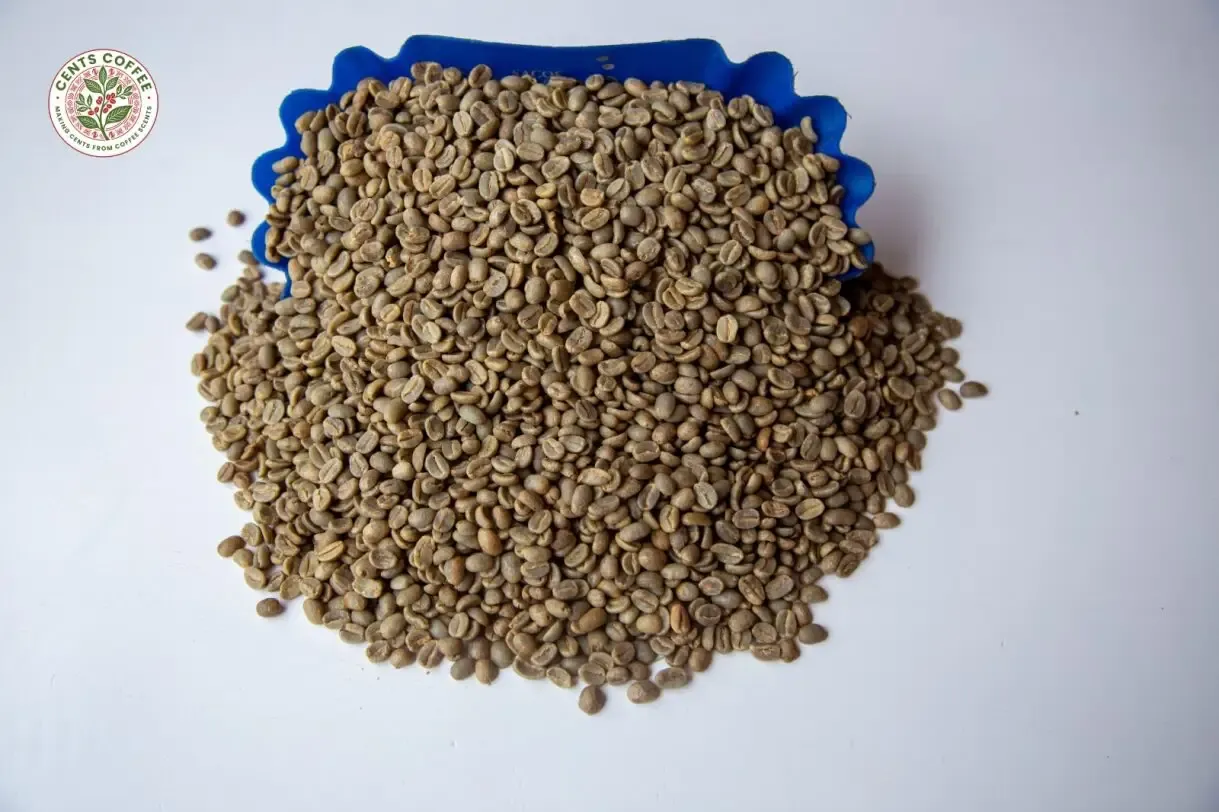
For any roasting business, selecting the right green coffee beans is a decision that directly affects product quality, consistency, and profitability. Buyers often face challenges when comparing different grades, processing methods, and origins, especially when sourcing at scale.
Uganda has become an increasingly important origin because it offers both high-quality Arabica and strong, reliable Robusta. For importers and roasters, understanding how to evaluate these options is essential for making better sourcing decisions and building a successful roasting program.
Premium Arabica AA Grade
Arabica AA represents one of the highest quality levels available in Uganda. The beans are larger, carefully sorted, and known for producing a clean and well-balanced cup.
Most Arabica coffee AA grade, is washed, which enhances clarity and brightness in flavor. Roasters can expect a smooth texture with complex notes that may include fruit, floral tones, spice, and light citrus acidity. This makes it highly suitable for specialty coffee lines and premium blends.
Businesses that focus on high-end markets often rely on this grade to deliver a refined and consistent product. Its growing demand reflects the increasing interest in quality-driven coffee sourcing.
Dry-Processed Arabica
Dry processed Arabica offers a completely different flavor experience compared to washed coffee.
In this method, the coffee is dried naturally with the fruit still surrounding the bean. This allows sugars from the fruit to influence the final cup, resulting in a sweeter and more expressive profile. Arabica coffee dry processed beans are often known for their dark berry notes, chocolate undertones, and full-bodied structure, sometimes with a subtle wine-like character.
These beans are typically grown in high-altitude regions such as the Rwenzori Mountains, where natural conditions support slow development and richer flavors.
For roasters who want to create distinctive blends or appeal to niche markets, dry processed Arabica provides an opportunity to stand out with a more unique cup profile.
Robusta Grades Explained
Uganda is widely recognized for its Robusta coffee, and understanding the different grades is essential for making the right buying decision.
Screen 12 consists of smaller beans that pass through a 12 by 64 inch sieve. Despite their size, they produce a clean and full-bodied cup with chocolate, caramel, and nutty notes. The acidity is low, and the aroma is strong. Buyers who want to buy Robusta coffee screen 12 often choose this grade for its consistency and value in commercial espresso blends.
Screen 15 is considered a balanced option within the Robusta range. These medium to large beans offer better uniformity, which supports consistent roasting results. The flavor profile typically includes earthy, woody, and dark chocolate notes, with smooth body and low acidity. Many businesses prefer to buy robusta screen 15 green coffee because it offers a reliable balance between quality and cost.
Screen 18 is one of the highest commercial grades of Ugandan Robusta. These beans are larger, well sorted, and have a lower defect rate. They produce a strong, clean cup with rich aroma and deep body. Buyers who choose to buy robusta screen 18 green coffee are usually looking for a more premium Robusta option that enhances blend performance and overall product quality.
Each grade serves a different purpose, allowing roasters to select beans based on their production needs and market positioning.
How to Match Beans with Business Goals
Choosing the right coffee depends on the goals of the business and the expectations of the target market.
Specialty roasters that focus on premium products often benefit from Arabica AA because of its clarity and complexity. Brands that want to introduce more sweetness and body into their blends may find dry processed Arabica to be a better fit.
For large-scale production, Robusta plays an important role. A roaster aiming for cost efficiency and strong espresso performance may decide to buy Robusta coffee screen 12 for value. A business that needs consistent daily roasting may prefer to buy robusta screen 15 green coffee. Those targeting a higher quality blend may choose to buy robusta screen 18 green coffee for its larger size and cleaner profile.
The key is to align bean selection with roasting style, product goals, and customer demand.
Buying Tips
Making the right purchasing decision requires more than just choosing a grade.
Consistency is one of the most important factors. Buyers should work with suppliers who can maintain stable quality across multiple shipments. This helps ensure predictable roasting outcomes and reduces production risk.
Trust is equally important. A reliable supplier should provide clear details about origin, processing, and quality control practices.
Sampling before committing to bulk orders is also essential. Testing the beans allows buyers to evaluate flavor, moisture, and roasting performance, helping them make informed decisions.
Taking these steps can significantly improve sourcing efficiency and protect long-term margins.
Conclusion
Choosing the right green coffee beans is a strategic decision that shapes the success of a roasting business.
Uganda offers a wide range of options that meet different commercial needs. From Arabica coffee AA grade for premium quality to Arabica coffee dry processed beans for unique flavor profiles, and from value-driven choices to those who want to buy robusta coffee screen 12, buy robusta screen 15 green coffee, or buy robusta screen 18 green coffee, there is flexibility for every type of buyer.
For businesses looking to build a reliable sourcing strategy, working with experienced suppliers such as Cents Coffee provides access to consistent, high-quality Ugandan coffee that supports both performance and profitability.