
Life After the Farm: What Does Retirement Look Like for Agricultural Workers?
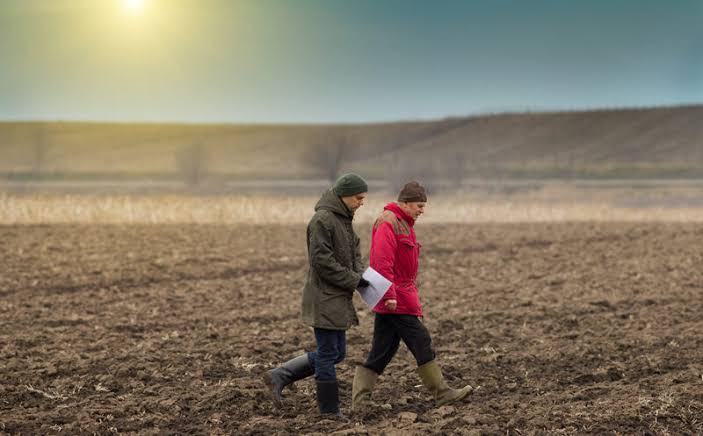
Life After the Farm: What Does Retirement Look Like for Agricultural Workers?
The fields go quiet. The 4 a.m. alarm loses its grip. For people who spent thirty or forty years managing livestock, pulling harvests, or running heavy equipment through muddy fields, that silence can feel disorienting. Retirement hits differently when your whole adult life ran on seasons and soil. The physical grind, the financial unpredictability, the bone-deep identity tied to the land — none of that dissolves just because the work stops.
Farm retirement isn’t a softer version of regular retirement. It’s a separate animal entirely. The financial structures are different, the health consequences are different, and the psychological weight of stepping away from land you may have worked since childhood is something most retirement guides don’t touch. To understand what this transition actually looks like, you have to examine each of those dimensions honestly.
1. Financial Planning Challenges for Farm Retirees
Farm income is notoriously unpredictable — weather, commodity swings, market forces nobody controls. That volatility makes consistent retirement saving genuinely difficult. Many farm families treat their land and equipment as the retirement fund itself, planning to sell when the time comes rather than building decades of steady contributions to investment accounts. Hired hands face an even harder road. Minimal employer-sponsored benefits, heavy reliance on Social Security, and years of seasonal work can leave significant gaps in financial coverage.
Self-employed farmers must handle their own retirement contributions — IRAs, simplified employee pension plans — which demands real financial discipline during profitable years and real restraint during lean ones. The tax picture is complicated too. Agricultural deductions, capital gains from land sales, depreciation schedules — these don’t behave like standard W-2 income. Professional guidance helps, but rural areas don’t always have financial advisors who actually understand agricultural economics. That gap matters more than people realize.
2. Health Considerations and Physical Transition
Decades of farm labor leave marks. Specific, cumulative, often permanent ones. Respiratory problems from dust and chemical exposure. Hearing loss from years of machinery noise. Joint damage from heavy lifting and repetitive strain. These aren’t hypothetical risks — they’re common realities for agricultural workers entering retirement. And the shift from constant physical activity to something slower isn’t automatically healthy. Without intentional adjustment, mobility can decline fast.
Rural healthcare access is patchy at best. Many agricultural workers carry undiagnosed conditions or years of deferred preventive care into retirement, and those gaps surface quickly when the body finally slows down. For those managing multiple chronic conditions built up across decades of labor, assisted living in Chippewa Falls, WI provides coordinated daily care and health support that helps agricultural retirees maintain quality of life without the burden of managing a property alone. The mental health dimension is just as serious. Losing daily farm responsibilities can trigger depression and a hollow sense of purposelessness — especially for people whose entire adult identity was rooted in that work.
3. Land and Asset Management After Leaving Daily Operations
What do you do with the land? For farm owners, that question sits at the center of everything. Some lease to neighboring farmers — passive income, reduced responsibility, the property stays in the family. Others sell outright. That provides real financial cushion, but it also means letting go of something built across a lifetime. Then there’s succession. Passing the farm to the next generation sounds straightforward. It rarely is. Succession planning pulls in tax implications, competing family interests, and deeply personal questions about legacy.
Equipment sales can generate meaningful capital, but timing matters — farm equipment markets mirror the same commodity cycles that drove income for decades. Some retirees hold on to their land and machinery for part-time or hobbyist farming, staying connected to familiar rhythms while pulling back from full operational intensity. But land isn’t free to own. Property taxes, insurance, basic upkeep — those costs continue regardless of whether crops are planted. Any honest financial plan has to account for them.
4. Social and Lifestyle Adjustments
Farm life doesn’t just provide income. It provides structure — seasons, animal needs, weather demands, an endless procession of tasks that tells you exactly what today requires. Retirement removes that framework entirely. And the social fabric that came with it: cooperative networks, local agricultural organizations, relationships forged through decades of shared hard work. Lose the work, and those connections can fray fast. Isolation sneaks up on agricultural retirees in ways they don’t always anticipate.
Some rebuild purpose through part-time farming, seats on agricultural boards, mentoring younger farmers, or deeper civic involvement. The emotional relationship between agricultural workers and their land is not a thing that simply ends on a retirement date. It lingers. It shapes how people define themselves for years afterward. Staying connected to agriculture in some form — even informally — tends to support both mental health and a sense of continued identity. That connection is worth protecting deliberately.
5. Government Programs and Resources Available to Farm Retirees
There are programs out there. Not everyone knows about them. The USDA runs conservation programs that can generate supplemental income while supporting environmental stewardship on farm properties. Crop insurance, disaster assistance, various grant programs — these can meaningfully ease the financial transition into retirement. Navigating multiple government agencies to find what applies to a specific situation is its own challenge, particularly for people more comfortable on a tractor than in a bureaucratic system.
Social Security forms the income foundation for many agricultural retirees, with benefit amounts calculated from reported net farm income for the self-employed — making accurate income reporting across a career consequential in ways some farmers don’t fully appreciate until later. Rural extension offices and agricultural development organizations often provide free or low-cost planning resources. Getting connected to those early in the process pays off. Better decisions get made when the timeline isn’t compressed.
Conclusion
Farm retirement reaches further than standard retirement planning ever anticipates. The financial complexity of irregular income, the physical and emotional toll of lifelong agricultural work, the weighty decisions about land and assets — these don’t fit neatly into generic retirement frameworks. They require strategies built around farming as both an economic reality and a way of life. But those strategies exist. With the right resources, the right guidance, and honest planning that accounts for what agricultural work actually involves, farm workers can build a retirement that respects everything the work demanded — and opens something genuinely new on the other side of it.