
Heavy Hauling Services: Navigating Oversized Freight in a Modern Logistics Landscape
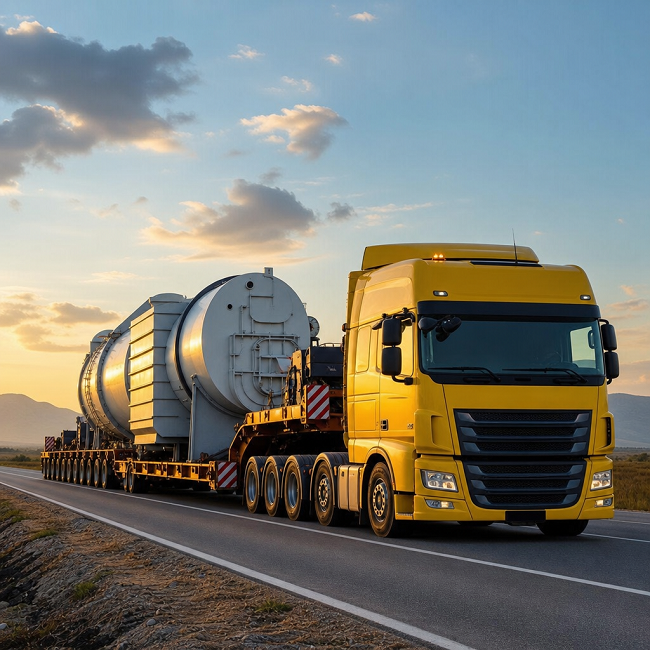
Moving oversized and industrial freight is one of the most demanding challenges in the transportation industry. Whether it involves massive construction equipment, industrial machinery, or prefabricated structural components, the logistics behind heavy hauling require a level of precision, regulatory knowledge, and operational expertise that goes far beyond standard freight shipping. As infrastructure projects grow in scale and industrial supply chains become more complex, the demand for reliable heavy hauling solutions continues to rise across North America and beyond.
What Sets Heavy Hauling Apart from Standard Freight
Standard freight operations follow relatively predictable protocols — load the cargo, secure it, and deliver it within defined weight and dimension limits. Heavy hauling, by contrast, operates in a completely different category. Loads that exceed legal weight or dimensional thresholds require specialized trailers, route surveys, pilot vehicles, and in many cases, coordination with state and local transportation authorities. The cargo itself — turbines, transformers, bridge beams, mining equipment — often cannot be disassembled, which means every inch of the route must be carefully evaluated.
The equipment used in heavy hauling reflects this complexity. Lowboy trailers, extendable flatbeds, multi-axle configurations, and hydraulic platform trailers are all purpose-built to distribute weight and accommodate unusual load geometries. Selecting the right trailer for a given load is not a minor logistical detail — it is a foundational decision that affects safety, compliance, and delivery success.
Permit Requirements and Regulatory Compliance
One of the most critical — and often underestimated — aspects of heavy hauling is permit acquisition. Oversize and overweight loads are subject to strict regulations that vary by state, county, and even municipality. Carriers must obtain the appropriate permits before a single mile is traveled, and failure to do so can result in significant fines, load seizures, and project delays. For those seeking detailed guidance on permit categories, dimensional thresholds, and application procedures, the Colorado Department of Transportation’s oversize and overweight permit resource provides a thorough breakdown of regulatory requirements that apply to oversized loads operating within the state.
Beyond individual state requirements, carriers must also account for bridge weight ratings, seasonal load restrictions, and time-of-day travel limitations that may apply to specific corridors. A load that is fully permitted in one state may require additional documentation or route modifications the moment it crosses a state line. This is why experienced heavy haulers invest heavily in permit specialists and route planning teams who understand the regulatory landscape at a granular level.
The Role of Technology in Modern Heavy Hauling Operations
The logistics industry as a whole has undergone a significant technological transformation in recent years, and heavy hauling is no exception. Route optimization software, real-time GPS tracking, load monitoring systems, and digital permit management platforms have all become standard tools for carriers operating at the highest level. These technologies reduce human error, improve communication between drivers and dispatchers, and give clients greater visibility into the status of their shipments.
This shift mirrors a broader trend across multiple sectors. Just as digital transformation is reshaping diverse industries from farming to online engagement, the heavy freight sector is leveraging data-driven tools to improve operational efficiency, reduce costs, and enhance safety outcomes. Predictive analytics, for example, can now be used to anticipate potential route hazards or weather-related delays before a truck ever leaves the yard.
Driver Expertise and Safety Protocols
No amount of technology replaces the expertise of a seasoned heavy haul driver. Operating a multi-axle rig carrying a 200,000-pound load through mountain passes or urban corridors demands a level of skill and situational awareness that takes years to develop. Top-tier carriers invest in ongoing driver training, rigorous safety certifications, and regular equipment inspections to ensure that every move is executed without incident.
Safety protocols in heavy hauling extend beyond the driver’s cab. Escort vehicles — commonly called pilot cars — play a critical role in alerting oncoming traffic, clearing obstacles, and communicating with the lead driver about road conditions ahead. For particularly wide or tall loads, utility companies may need to temporarily raise power lines, and law enforcement escorts may be required during certain travel windows. Coordinating all of these moving parts is a logistical undertaking in itself.
Industries That Depend on Heavy Hauling
The range of industries that rely on heavy hauling services is broader than most people realize. Energy companies transporting wind turbine components and oil refinery equipment, construction firms moving cranes and prefabricated structures, mining operations relocating excavators and processing machinery, and aerospace manufacturers shipping large structural assemblies all depend on specialized freight carriers to keep their projects on schedule. In each of these sectors, a delayed shipment does not just mean an inconvenience — it can mean millions of dollars in project downtime.
Agricultural and infrastructure development sectors have also become increasingly reliant on heavy freight solutions as equipment grows larger and project timelines grow tighter. The ability to move critical assets quickly, safely, and in full regulatory compliance is a competitive advantage that directly impacts a company’s bottom line.
Bear Down Logistics: A Trusted Partner for Oversized Freight
When it comes to selecting a carrier for oversized and industrial freight, experience and reliability are non-negotiable. Bear Down Logistics has built a strong reputation in the heavy freight sector by combining deep regulatory knowledge, a well-maintained fleet of specialized equipment, and a client-first approach to every shipment. Their team understands that no two loads are alike, and they approach each project with the customized planning it deserves.
For companies seeking dependable heavy hauling services, Bear Down Logistics offers comprehensive solutions designed to handle the full complexity of oversized and industrial freight — from initial route surveys and permit acquisition to final delivery and load securement documentation. Their commitment to safety, compliance, and on-time performance makes them a preferred partner for clients across energy, construction, mining, and manufacturing sectors.
Planning Your Next Heavy Haul Move
Successful heavy hauling begins long before the truck leaves the yard. Early engagement with your carrier is essential — ideally during the project planning phase, before equipment has been purchased or delivery windows have been committed to clients. The more lead time a carrier has, the more thoroughly they can survey routes, secure permits, coordinate escorts, and anticipate potential complications.
Providing your carrier with accurate load specifications — including weight, dimensions, center of gravity, and any special handling requirements — is equally important. Incomplete or inaccurate information at the planning stage is one of the most common causes of delays and cost overruns in heavy freight operations. Transparency and communication between shipper and carrier are the foundation of every successful move.
Conclusion
Heavy hauling is a discipline that demands technical expertise, regulatory fluency, and an unwavering commitment to safety. As industrial projects grow in scale and complexity, the carriers who can consistently deliver oversized freight on time and in compliance with all applicable regulations will remain indispensable partners to the industries that depend on them. Choosing the right heavy haul provider is not simply a procurement decision — it is a strategic one that can determine whether a project succeeds or stalls.