
Analyzing How La Liga Teams Control Possession in the Opponent’s Half
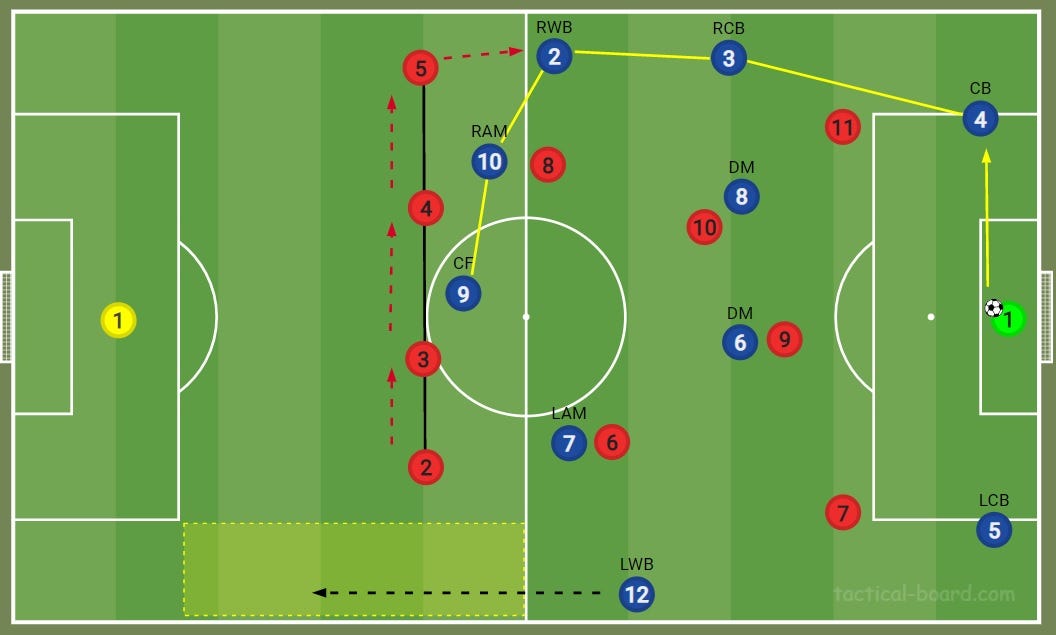
Possession statistics in La Liga are often cited as proof of dominance, but raw possession alone rarely explains why matches unfold the way they do. A more revealing lens is how much time and control a team maintains specifically in the opponent’s half. This metric narrows the focus from general ball retention to territorial pressure, offering insight into intent, structure, and the likelihood of sustained advantage rather than temporary control.
Opponent-Half Possession Reflects Territorial Intent
Possession in the opponent’s half is not accidental. Teams that consistently operate high up the pitch signal a desire to compress space, restrict counterattacks, and keep the opponent defending for long periods. The cause is a proactive tactical setup that pushes defensive lines forward and positions midfielders to recycle attacks quickly.
The outcome is a match played closer to the opponent’s goal, even if shots do not arrive immediately. The impact is cumulative pressure that shapes decision-making, fatigue, and error probability over time.
Why This Metric Is More Informative Than Total Possession
Total possession can be inflated by harmless circulation in defensive zones. Opponent-half possession filters out that noise by isolating where control actually threatens the opposition. Teams with moderate overall possession may still dominate matches if most of their touches occur beyond the halfway line.
This distinction matters because territorial control changes match incentives. Opponents defending deep lose access to transitions, while the controlling team dictates tempo. The metric therefore aligns more closely with match direction than with simple ball share.
Structural Requirements for Sustained High Positioning
Maintaining possession in the opponent’s half requires specific structural conditions. It is not enough to push numbers forward without support.
Before listing these conditions, it is important to understand that they function as a system. Removing one element often collapses the entire structure, forcing the team to retreat. The following factors typically appear together in teams that sustain advanced control:
- A high defensive line capable of winning second balls
- Midfielders positioned to counter-press immediately after loss
- Full-backs providing width without abandoning rest defense
- Center-backs comfortable defending large spaces
Interpreting these elements together explains why some teams can camp in the opponent’s half while others cannot. The impact is consistency: teams with all components maintain pressure across matches, not just phases.
Possession Height Alters Defensive Behavior of Opponents
When a team spends extended time in the opponent’s half, defensive behavior changes. Back lines drop deeper, midfielders stop pressing forward, and clearances become rushed. These adjustments are responses to territorial stress rather than immediate danger.
The cause is psychological as much as tactical. Defending teams prioritize survival over initiative. The outcome is reduced attacking output and limited counter threats. The impact favors the team controlling territory, even if chances arrive slowly.
Comparing High-Press Control Teams to Mid-Block Controllers
Not all opponent-half possession is created the same way. Some teams achieve it through aggressive pressing, others through patient buildup.
| Control Style | Primary Method | Risk Profile |
| High press | Immediate recovery | Higher variance |
| Positional control | Circulation and spacing | Lower variance |
| Hybrid | Selective pressing | Moderate variance |
| Counter-based | Brief occupation | Situational |
This comparison clarifies why possession height must be paired with context. Aggressive pressing can inflate opponent-half time quickly but also expose space. Positional control builds pressure more slowly but often proves more sustainable.
When Opponent-Half Possession Misleads
Despite its value, this metric can mislead if interpreted in isolation. Teams chasing a goal may dominate territory without increasing threat. Similarly, opponents protecting a lead may allow possession deliberately.
Analysts usually cross-check whether opponent-half possession translates into box entries, defensive actions forced, or shot quality. Without these confirmations, territorial control may be cosmetic rather than decisive.
Reading Match Dynamics Through Live Territorial Control
From an educational perspective, observing how possession shifts into the opponent’s half during a match sharpens live interpretation. Sudden increases often indicate tactical adjustment or fatigue rather than random momentum.
During situational conditions where observers monitor live positioning, territory, and tempo, some compare these patterns alongside odds behavior on a betting interface or football betting website. In that context, references may extend to environments like เว็บ ufa168, where live pricing is viewed against sustained opponent-half control to assess whether territorial dominance is being recognized as structural pressure or dismissed as non-threatening possession. When territory grows without odds movement, it often signals skepticism about conversion rather than lack of control.
Conditional Scenarios That Break Territorial Advantage
Opponent-half possession loses value under certain conditions.
Situations That Neutralize High Territory
A red card forcing deep defense, opponents with elite long-ball outlets, or severe weather that disrupts passing rhythm can all undermine territorial dominance. In these cases, control becomes fragile, and possession height no longer predicts match direction reliably.
Integrating Opponent-Half Possession With Broader Analysis
The most effective use of this metric comes from integration. When paired with pressing intensity, shot location, and defensive transition data, opponent-half possession helps explain why matches tilt one way even before goals appear.
The sequence matters. Territory influences pressure, pressure influences errors, and errors influence outcomes. Understanding this chain elevates the metric from descriptive to explanatory.
Summary
Analyzing La Liga teams through possession in the opponent’s half offers clearer insight into territorial dominance than total possession alone. It reveals intent, structural strength, and pressure sustainability while highlighting where control is genuine or cosmetic. When interpreted with context and supporting indicators, this metric becomes a powerful tool for understanding how and why matches unfold the way they do.