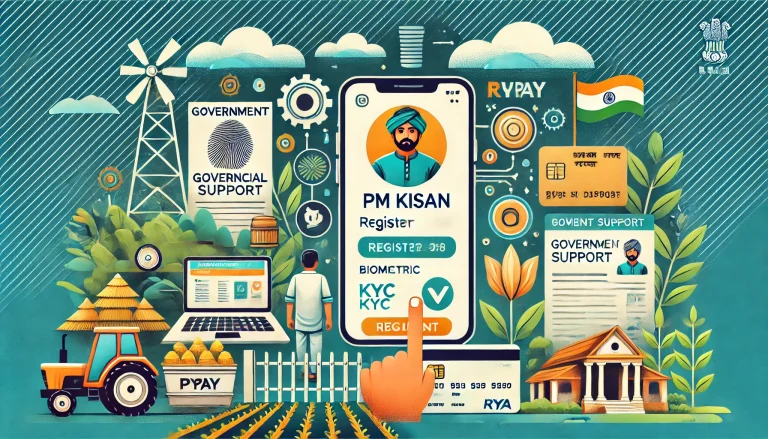
Digital Payments, Live Cricket, and Everyday Farm Life
Across rural India, the same phone that tracks crop prices also carries match scores, family chats, and small digital payments. Fields, finances, and cricket live side by side on a single screen. When payment apps stay simple and live score pages load clearly, farmers and small traders can move through the day with fewer worries – checking a subsidy credit in the morning, paying a shopkeeper at noon, and following a chase after sunset without getting lost in complex menus or risky habits.
How Digital Cash Fits Around Fields and Matches
For many households, cashflow arrives in uneven waves – sale of grain, a small remittance from a relative, or a government transfer tied to land and crop data. Platforms inspired by national projects like AgriStack collect information about farmers, plots, and crops into digital registries so benefits and services can reach the right person without delays or middle layers. When that money arrives, the same phone that shows soil moisture advice or rainfall alerts often becomes the remote control for small daily spends, including the data packs and snacks that go with a tense evening match.
In those moments, families rely on a mix of cash and quick digital options that feel local and familiar. Topping up mobile data, settling a small shop bill, or splitting a snack order often happens through tools people describe informally as desi pay – everyday digital moves that turn tiny amounts into smooth flows on match nights. The live cricket screen benefits from that reliability. When payments are quick and transparent, attention can return to overs, required rate, and bowling changes instead of stalling on failed top-ups or confusing error messages.
What Agriculture Platforms Expect From Payment Rails
Behind every on-screen balance sits a wider infrastructure built for agriculture. Digital stacks tied to farmer registries aim to link land records, crop surveys, and bank accounts, so subsidies, crop-insurance payouts, and low-cost credit reach farmers directly.(Agri Stack) These systems depend on accurate identity checks, clean land data, and reliable rails that can push money at low cost, even in districts with patchy coverage. When they work, a farmer can see fertilizer support or disaster relief arrive without travelling to town or negotiating with multiple offices.
The same rails that move subsidy money during the day can support small, predictable payments in the evening. That means a stable link between the account that receives government support and the app that pays for connectivity, crop-advice subscriptions, or simple entertainment. If the design is honest and fees stay visible, people can treat both flows as parts of one budget – farm inputs, family needs, and match-day data packs all sitting on the same ledger. In that picture, digital agriculture does not end at the field edge. It follows the household into every other activity on the device, including cricket.
From Subsidies to Every day Micro-Payments
When farmers start trusting digital systems for high-stakes transfers like insurance claims, their comfort with small payments grows. A platform that shows clear timestamps, descriptions, and balances for scheme payouts makes it easier to believe the same numbers when a few rupees leave the account for a data recharge. Over time, a pattern appears. Money comes in through structured channels linked to land and policy, then flows out through simple, app-based actions that serve daily life.
Designers who understand this path can align both sides:
- Use the same clear naming for accounts and IDs across agriculture portals and payment apps, so users never wonder which wallet or bank field they are seeing.
- Keep language consistent when describing incoming benefits and outgoing spends, so statements feel like one story instead of separate systems.
- Show small warnings when match-related spending climbs quickly in one evening, helping households keep leisure inside the limits they set during calmer hours.
Building Simple Apps Farmers Trust
Trust grows when interfaces behave in ways that match real conditions in villages and small towns. Networks drop. Power cuts happen. Shared phones move between pockets during the day. For both farm-data portals and live-score pages, the first duty is to show that the system understands these facts. That starts with text – clear labels instead of jargon, dates written in plain format, and short explanations whenever the app asks for a code or confirmation.
When a farmer opens a registry app tied to national agriculture data, the login flow should feel similar to the screen used later for a small payment or a match check. One or two simple steps. A clear way back if something goes wrong. Visible support details in case of trouble. If digital agriculture tools set that standard, every other app on the phone either meets it or risks being uninstalled. Live cricket and entertainment experiences benefit directly, because they run in an environment where people already expect clarity over mystery.
Keeping Match Spend and Farm Budgets Aligned
Households that depend on seasonal income cannot afford to let small, repeated match spends erode money reserved for seed, feed, or loan repayments. The easiest protection is visibility. A payment app that groups outflows into simple categories – farm inputs, bills, and leisure – helps families see whether match nights are starting to weigh too heavily on the ledger. The same phone that shows rainfall or market-price alerts can also nudge users when monthly data or entertainment costs cross a line chosen earlier in the year.
Clear separation between information and action matters too. A live score page that stays focused on numbers and context lets people enjoy the match without constant prompts to transact. If any higher-risk features exist nearby, they should sit behind extra steps and clear explanations. That way, a tired user checking the required rate late at night does not slip into decisions that do not match the farm plan discussed at the start of the season. Budget discipline remains anchored in the same device that carries both field data and match scores.
One Device, Two Worlds, Shared Responsibility
For many rural and small-town families, there is no “work phone” and “fun phone”. There is one handset that supports harvest planning, digital identity, school messages, and the shared tension of a tight chase. Agricultural data platforms, payment providers, and live cricket services therefore share a common responsibility. They need to keep interfaces light, costs transparent, and guardrails visible, so the device remains an asset instead of a source of stress.
When subsidy delivery, farmer registries, and small digital payments work well together, they free mental space for the simple pleasures of the game – cheering a boundary, checking the score during a tea break, or comparing predictions in a family chat. The same solid rails that bring support to fields can quietly fund a calm, well-bounded entertainment habit at home. In that balance, technology feels less like a demand for constant attention and more like a tool that respects soil, time, and the shared joy of cricket on a clear evening.