What Salvia Divinorum Teaches Growers About Vegetative Propagation and Plant Acclimation?
Some plants are easy to understand from a seed packet. Sow them, provide the right conditions, and each new generation begins from seed.
Salvia divinorum tells a different story.
This unusual member of the Salvia genus is especially interesting to growers because cultivated plants are commonly maintained through vegetative propagation. Instead of treating propagation, shipping and establishment as separate subjects, growers quickly discover that they are closely connected.
A cutting’s condition before shipping affects how it handles transit. Its root development affects how quickly it recovers. Humidity, light and moisture after arrival can determine whether temporary transport stress becomes a real problem.
For readers researching the species and the different botanical forms in which it is available, Salvia Divinorum Shop provides a useful reference point for distinguishing live plant material from leaves, seeds and other forms.
This article focuses on the plant itself. You will learn:
- why vegetative propagation is so important to Salvia divinorum;
- how a rooted cutting differs from freshly propagated material;
- what the plant’s structure tells us about its preferred environment;
- why shipping stress is often misunderstood;
- how acclimation affects young plants;
- and why good plant records matter when a species is maintained clonally.
Salvia Divinorum Is a Distinct Cultivated Species
The name “salvia” covers a remarkably diverse group of plants.
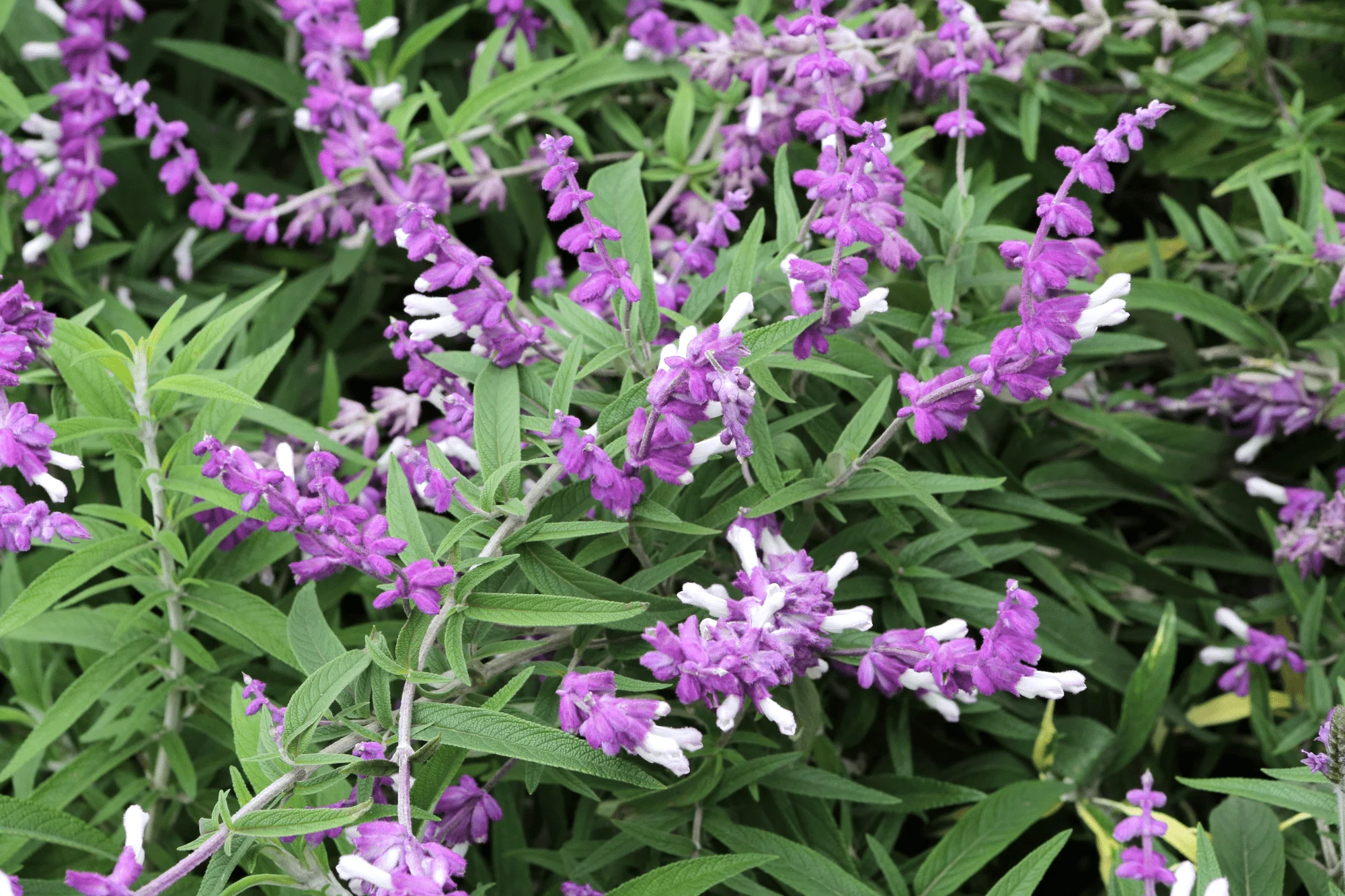
Gardeners may immediately think of culinary sage or colorful ornamental salvias, but Salvia divinorum is its own species with different growth characteristics.
It belongs to the mint family, Lamiaceae, and is native to Oaxaca, Mexico. Its growth habit also differs noticeably from the tough, compact image many people associate with common sage.
The plant typically develops broad green leaves and comparatively soft stems. Those characteristics matter because they help explain how it responds to environmental stress.
A plant with soft, moisture-dependent growth behaves very differently during handling and transportation from a woody, drought-tolerant herb.
That makes cultivation information particularly important when evaluating live material.
Why Vegetative Propagation Matters
The most interesting agricultural characteristic of Salvia divinorum may be the importance of vegetative propagation.
Instead of relying primarily on seed, cultivated plants are commonly reproduced through stem cuttings.
A suitable section of stem can develop roots and continue growing as an independent plant. Genetically, however, it remains connected to the parent plant because the new growth was produced vegetatively rather than through sexual reproduction.
This creates an important distinction.
A seed-grown plant represents a new genetic combination.
A cutting represents a continuation of an existing genetic line.
For growers, that means propagation history can matter almost as much as the physical size of the plant.
Two cuttings of similar height may be at completely different stages of establishment depending on when they were taken, how well they have rooted and how they were maintained afterward.
Root Development Matters More Than Height
Plant buyers naturally notice what they can see.
Leaf size, height and overall appearance are obvious.
Roots are not.
Yet when evaluating a young propagated plant, root establishment can be more meaningful than a few additional centimeters of stem growth.
Consider two cuttings.
The first has produced attractive top growth but only recently begun developing roots.
The second is slightly smaller above the soil but has already formed a more established root system.
The second plant may actually be better prepared for the disruption caused by transport and relocation.
That is because leaves lose water while roots help replace it.
A plant with limited root capacity can therefore experience stress more quickly when conditions change.
This principle extends far beyond Salvia divinorum. Growers working with many vegetatively propagated ornamentals, herbs and specialty crops learn that healthy top growth is only one part of evaluating establishment.
The Plant’s Structure Gives Growers Useful Clues
You can learn quite a lot about a plant by paying attention to its physical structure.
Salvia divinorum generally produces relatively broad leaves and soft stems. That immediately suggests that treating it like a sun-baked Mediterranean herb would be a poor assumption.
The species is associated with subtropical conditions and generally responds better to adequate moisture and protection from excessively harsh environmental conditions.
This doesn’t mean growers should create permanently saturated conditions.
There is an important difference between maintaining adequate moisture and keeping the root zone constantly waterlogged.
Good cultivation often involves balancing several factors rather than maximizing one.
Moisture, drainage, humidity, airflow, light and root development interact.
Solving one problem by pushing another variable to an extreme can simply create a different problem.
Why Shipping Stress Can Be Misleading
Living plants continue functioning after they are packed into a box.
That sounds obvious, but it explains many problems buyers encounter with shipped plants.
During transit, a cutting may experience:
- reduced or complete absence of normal light;
- changing temperatures;
- reduced airflow;
- movement and vibration;
- changes in moisture;
- and several days away from its previous growing environment.
The plant does not emerge from the package in exactly the same physiological condition in which it entered.
Broad leaves may temporarily lose some firmness. Growth may pause. A plant can look less impressive than it did immediately before packing.
That does not automatically mean permanent damage has occurred.
What matters is how the plant responds once it returns to stable conditions.
This is why experienced growers avoid judging newly delivered plant material solely from the first few minutes after opening the package.
Acclimation Is a Process, Not a Single Action
One common mistake with newly arrived plants is trying to correct every visible sign of stress immediately.
A plant arrives slightly drooped, so it receives dramatically more water.
It has spent days in darkness, so it is immediately moved into intense light.
It came from a humid propagation environment, so its humidity changes suddenly.
Each reaction makes sense individually, but several rapid changes at once can create additional stress.
A more useful principle is controlled transition.
Allow the plant to adjust to its new environment while monitoring how it responds.
The objective is not to recreate shipping conditions or keep a plant permanently sheltered. It is to avoid making the transition unnecessarily abrupt.
This principle is useful for many young greenhouse and nursery plants, not just Salvia divinorum.
Fresh Cuttings and Established Plants Should Not Be Treated as Identical
Online plant terminology sometimes hides important differences.
“Cutting,” “rooted cutting,” and “plant” may appear interchangeable in casual listings, but they can describe substantially different stages of development.
A fresh cutting may still be in the process of initiating roots.
A rooted cutting has already begun establishing an independent root system.
A more developed plant may have gone through additional growth and acclimation.
Knowing the stage helps growers set realistic expectations.
It also improves communication between sellers and buyers.
A precise description such as “established rooted cutting” tells a grower far more than simply saying “live plant.”
Why Seeds Create Different Expectations
Salvia divinorum can produce seed, but seed has not traditionally been the dominant method by which cultivated material is maintained.
That makes seed listings a different proposition from cuttings.
When growers encounter uncommon seed material, useful questions include:
- How recently was it produced?
- How was it stored?
- Is its botanical identity documented?
- What should the grower realistically expect from germination?
These questions are not accusations of poor quality. They are simply part of evaluating less commonly encountered propagation material.
A good agricultural principle applies here:
The rarer the propagation material, the more valuable clear provenance becomes.
Clonal Propagation Makes Record-Keeping More Valuable
Vegetative propagation also introduces a subject that receives surprisingly little attention in ordinary plant listings: lineage records.
When plants are propagated repeatedly from cuttings, the identity of the parent material can follow that line through many generations.
Keeping basic records can therefore become useful.
A grower might record where the original material came from, when a cutting was taken, when rooting began, how long establishment took and how the plant responded to environmental changes.
Those records do not need to become complicated laboratory documentation.
Even simple notes can help distinguish observation from memory.
Over time, growers can identify patterns such as which propagation conditions consistently produce stronger roots or which environmental transitions tend to cause unnecessary stress.
That is practical agricultural data on a very small scale.
What to Look for When Comparing Live Salvia Divinorum Plants
People researching Salvia divinorum for sale will often encounter listings that look similar at first glance.
A better evaluation starts with information rather than marketing language.
When comparing Salvia divinorum plants, look beyond height and leaf count.
Ask whether the material is rooted.
Look for clear photographs.
Check whether the seller distinguishes a cutting from a more established plant.
Read the shipping information.
Look for realistic descriptions of acclimation rather than promises that a living plant will always arrive looking unchanged.
And pay attention to botanical identification.
These details give growers considerably more useful information than exaggerated claims about size or rarity.
What Salvia Divinorum Can Teach Beyond One Species
The most useful lessons from Salvia divinorum apply well beyond this particular plant.
Vegetatively propagated crops remind us that plant quality is not determined solely by visible size.
Root development matters.
Propagation history matters.
Environmental transitions matter.
Transport conditions matter.
Accurate labeling matters.
And when plants are maintained clonally, record-keeping becomes particularly useful.
Agriculture often focuses on large-scale measurements such as yield, acreage and productivity. Yet the same principle applies at nursery scale: better information leads to better decisions.
Final Thoughts
Salvia divinorum is an interesting example of how propagation biology shapes the way a plant is cultivated, transported and evaluated.
Its widespread vegetative propagation means growers should pay attention not only to what a plant looks like but also to how established it is and how it reached its current stage.
A rooted cutting is not simply a smaller mature plant. It is a young plant moving through a specific stage of development.
Shipping is not simply transportation. It is a temporary environmental disruption.
And acclimation is not an instant fix. It is a transition.
Understanding those distinctions gives growers a much more practical framework for evaluating unusual live plants—and many of the same lessons apply to other vegetatively propagated species throughout horticulture.